Notes from a Lake: The Little Grebes versus the Moorhens
A little story about tenacious Little Grebes and the greedy, but clever, Moorhens, and how a new kleptoparasitic behaviour led to a détente of sorts.
When you visit the same lake a lot, you start to really get to know the residents. Some of the waterfowl, of course, just pop in from time to time, whether it’s for a day or two, or for the season. But others are there year-round, floating on the water, eating, breeding or hiding out in the wooded wetlands area – like the Little Grebe couple and the Eurasian Moorhens. They are all characters, living out a life full of love, noisy, hungry kids, and a bit of drama from time to time, all the while providing some entertainment for the oddballs with binoculars or cameras.
I am not sure how many Moorhens there are on the lake. This year, I’ve seen at least two adult pairs, as well as some offspring. There could be more, scattered along the various brooks and in the wet woodlands. The adult Little Grebe couple first appeared early last year (2025) and have had a number of broods, this year and last. Several immatures from this year’s Brood 2 still seem to be around, as well as two or three from their last (third) brood.
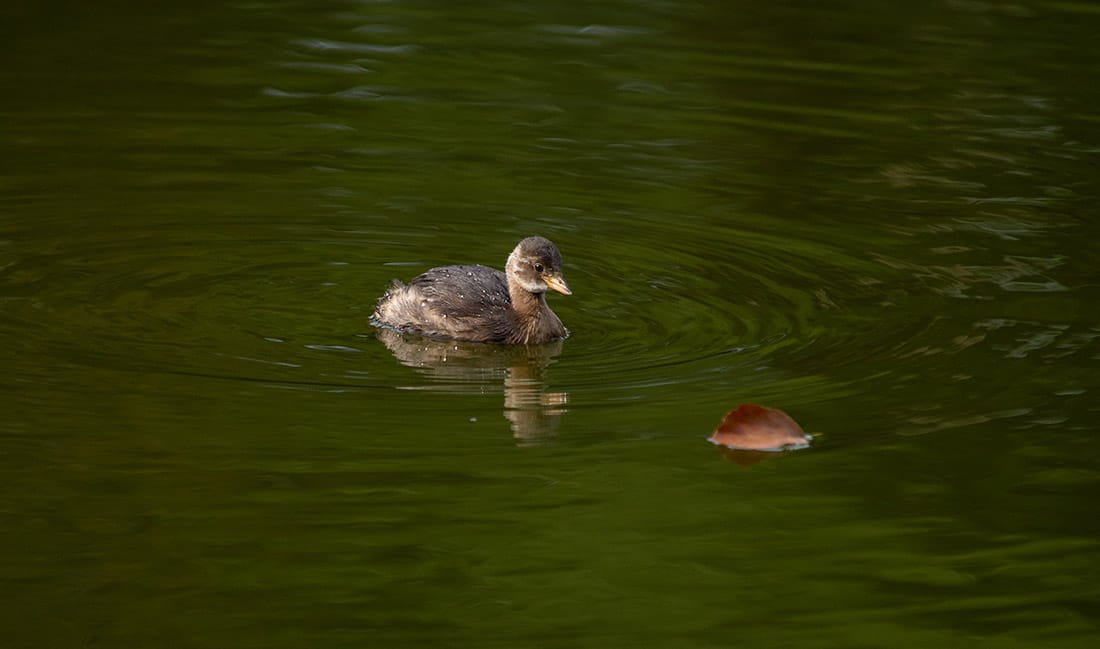
I will write a little more about the Little Grebes in a later post (along with an interesting behaviour, so stay tuned!), but one thing I will say now is the Little Grebes are great parents. Their offspring are dependent on them for food, although they are perfectly capable of swimming and diving as soon as they hatch. Quite honestly, they are rather lazy – bleating after their parents for food constantly and even hitching a ride on their backs! Why dive for food or swim when your parents are there to do all the hard work?
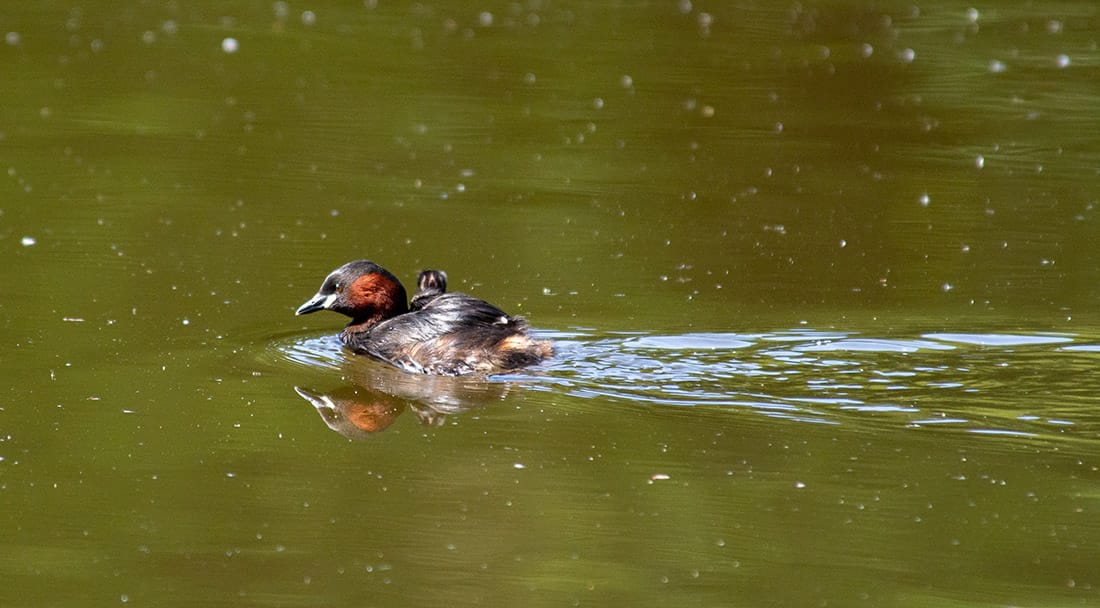
The parents are so, so patient. They will both dive for food, ferry their kids around, and never seem to complain.
Moorhens, on the other hand, are not active hunters for food. They are known to forage for food, rather than to dive for fish and pond gunk** (like the Grebes and Coots). They can be spotted on the banks of the lake, pecking at the ground and eating the inflorescence of the pendulous sedge.
** The proper term for the green goopy gunk that some of the waterfowl dredge up from the depths of the lake
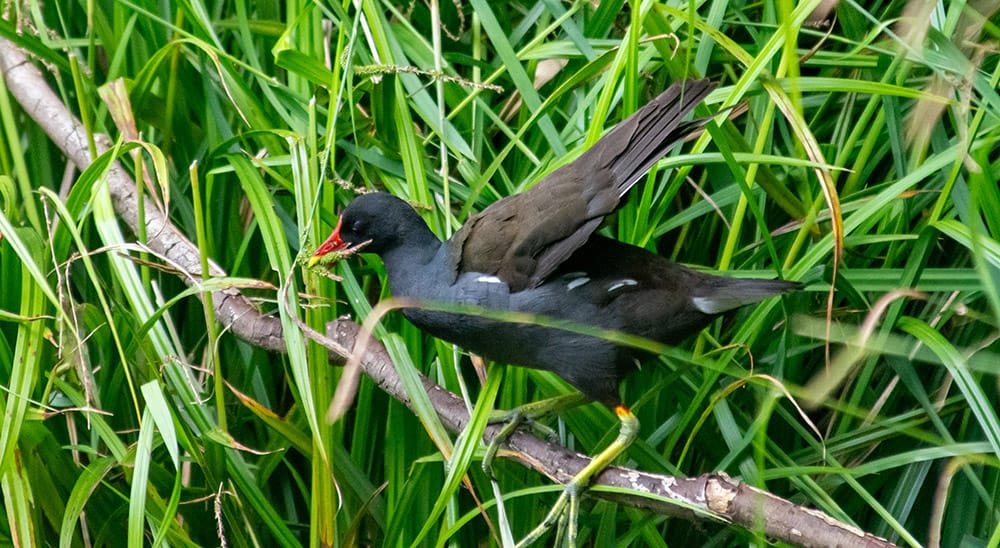
But in the last few weeks, the Moorhens seemed to have learned a thing or two from the Grebelets and figured out a new source of food…
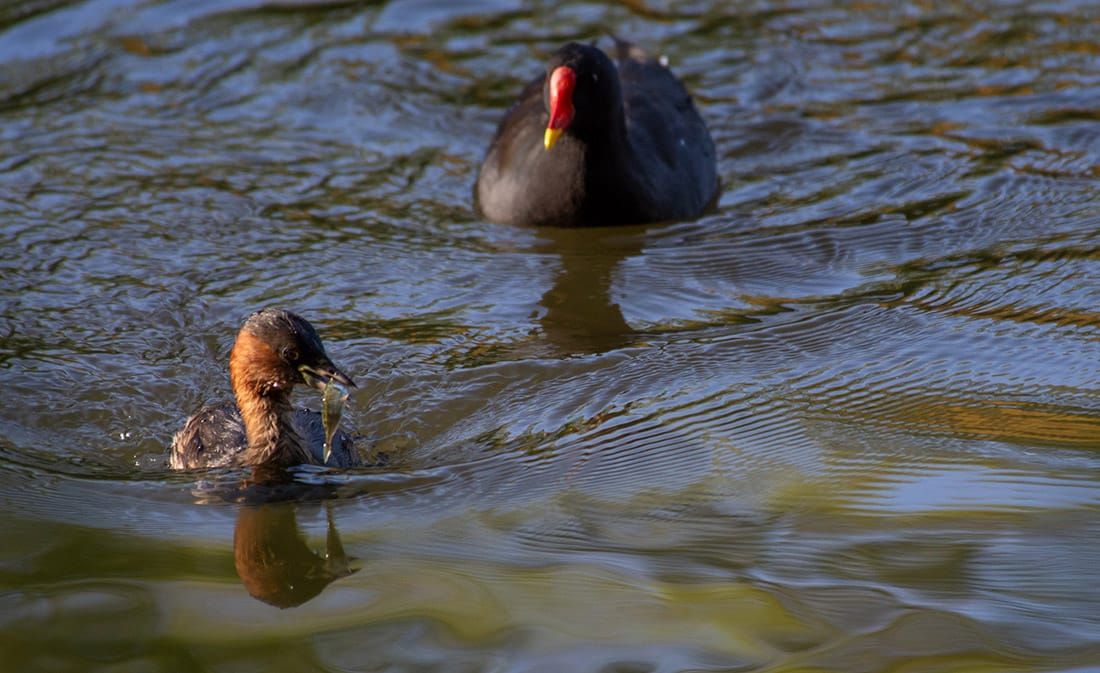
In mid-September, I began to notice something odd. The Little Grebe parents would be feeding their young and the Moorhens would be lurking nearby. At first, I couldn't quite make out what was happening. A lot of splashing around, and at one point a Grebelet being dunked by a Moorhen. Then I realised that the Moorhens were chasing the Little Grebe parents, trying to steal their food! The audacity!
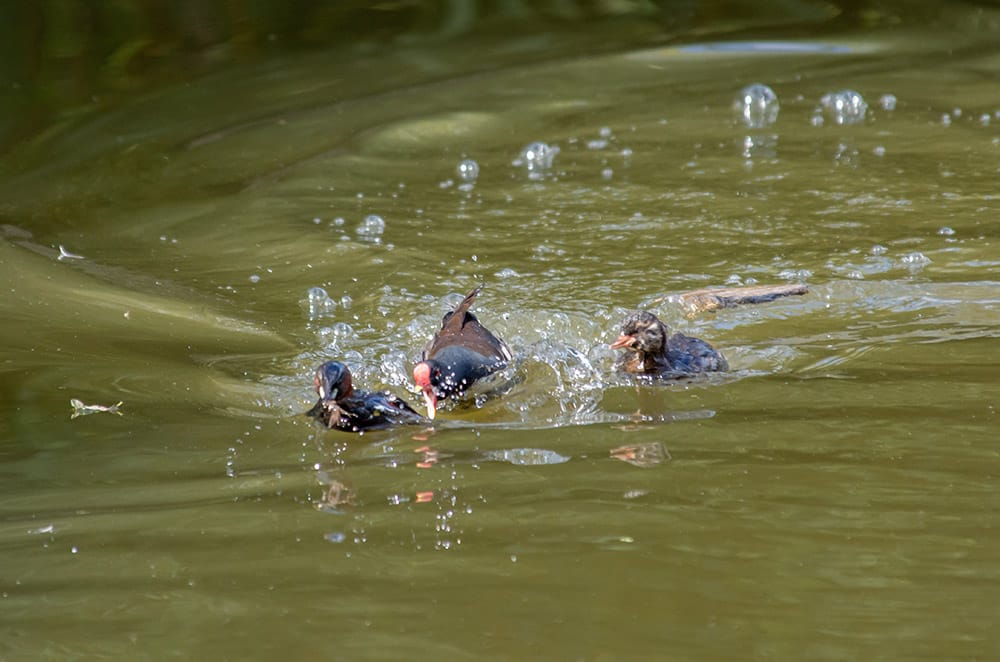
Our local bird-whisperer then mentioned on our group chat that he had seen the same behaviour, as had Barbara, my fellow Plucky fan, and another group chat member. He called it 'kleptoparasitising' and said that it was something he hadn’t seen before from Moorhens. So, our Moorhens had learned a whole new behaviour, how cool is that?
The thing is, Moorhens forage, as I mentioned above. These particular Moorhens have apparently decided that foraging includes stealing scrummy fish and pond larvae from the hard-working and very adept divers, the Little Grebes. And they learned that the Little Grebes will keep diving and feeding their kids, over and over again. Basically an all-you-can-steal buffet.
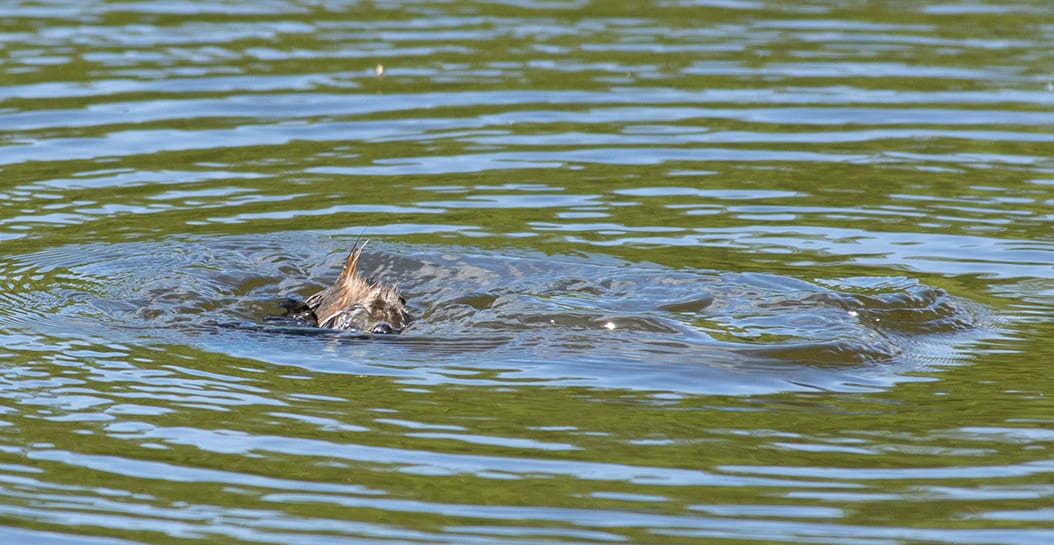
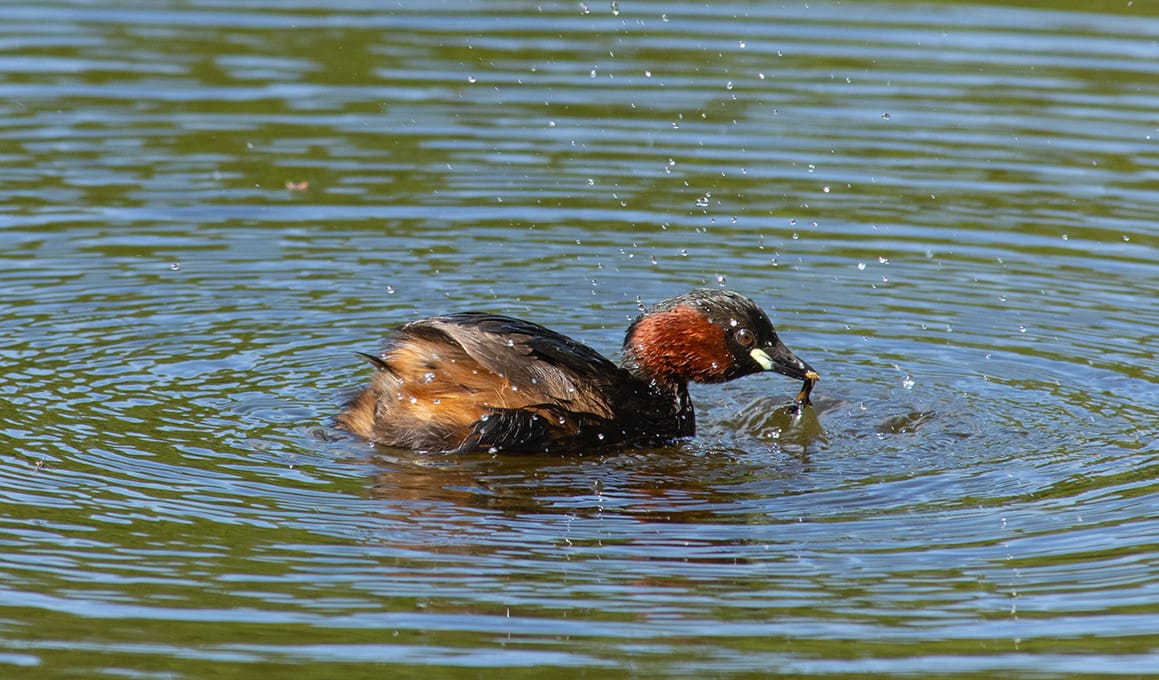
Little Grebes are great divers, pretty successful hunters, and, I suppose to subdue their prey, like to smack the poor prey on the surface of the water
At first, the Moorhens seemed a bit aggressive as they chased down the Grebe parents. They lunged, they splashed, they chased, they stole. A very noisy affair, and probably not fun for the Little Grebe family.
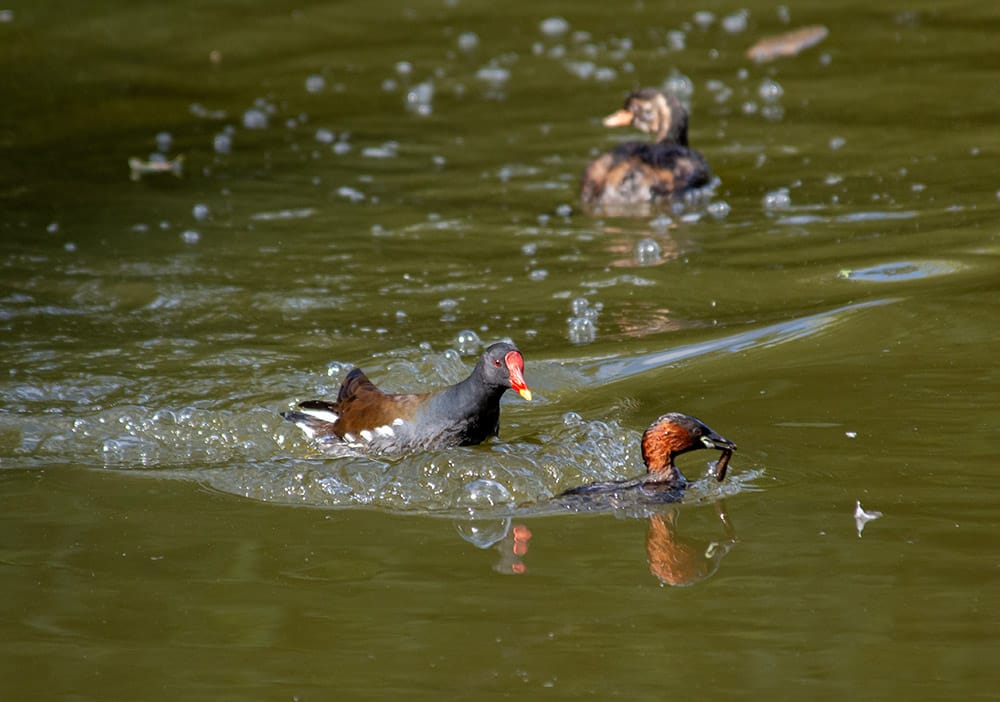
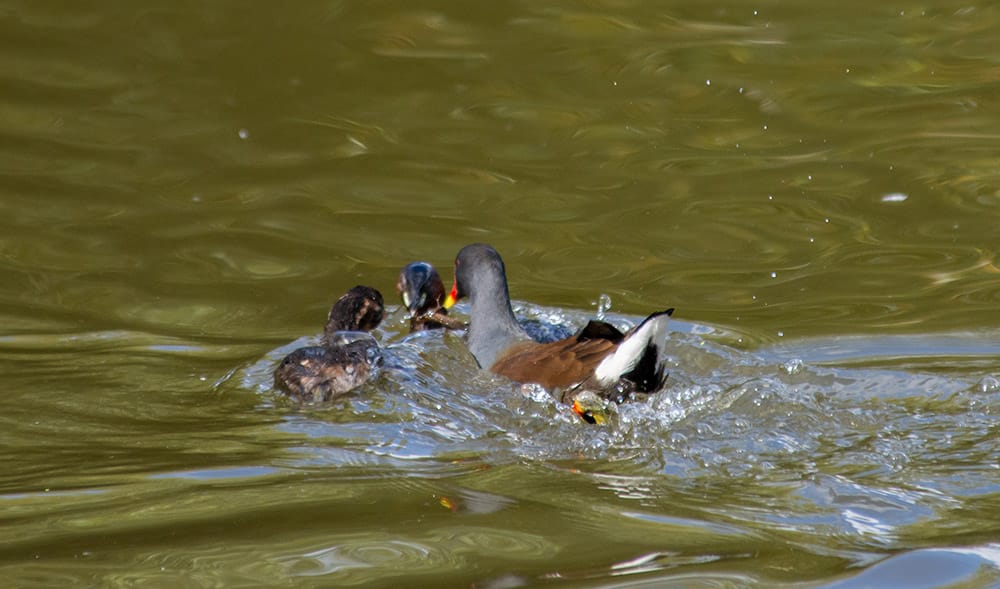
When I came out again to the lake after a few weeks’ absence, the Moorhens and the Little Grebes seemed to have reached some sort of détent. I guess the Little Grebes just resigned themselves to the fact that they now had more mouths to feed.
From what I could make out, their routine seemed to be: the Little Grebe parent dives down, grabs a little fish (stickleback) or insect larva, comes up again and starts whacking the poor animal on the surface of the water. At this point, the Moorhen starts chasing the grebe. Sometimes the Grebe will dive down, but usually she just seems to get fed up, slams the fish down and the Moorhen then swims up and grabs it.
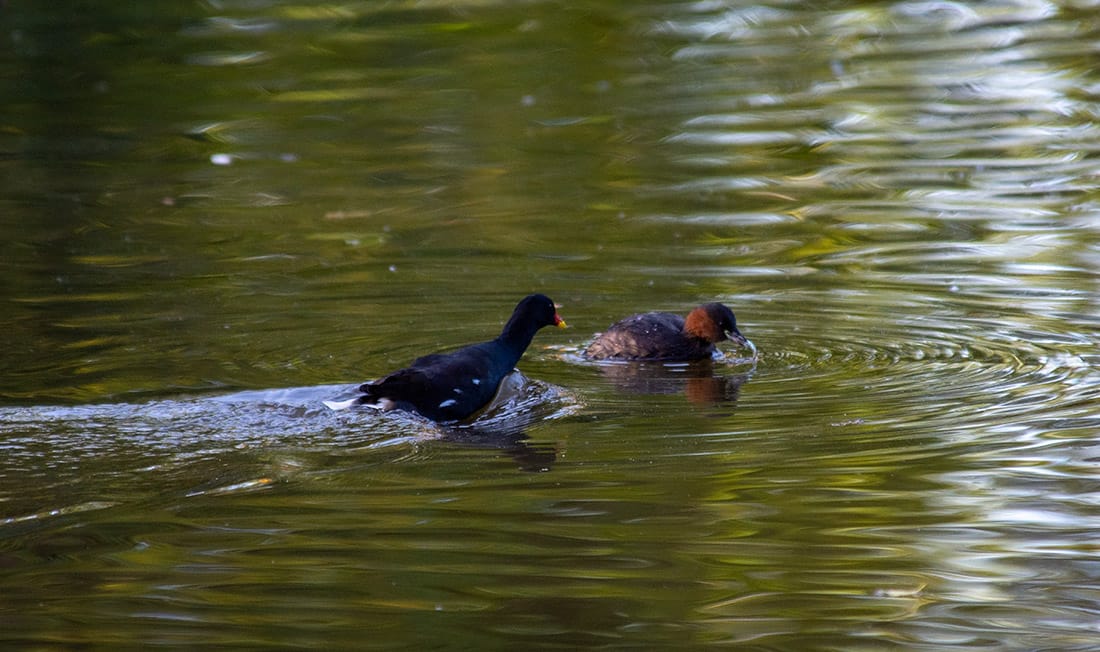
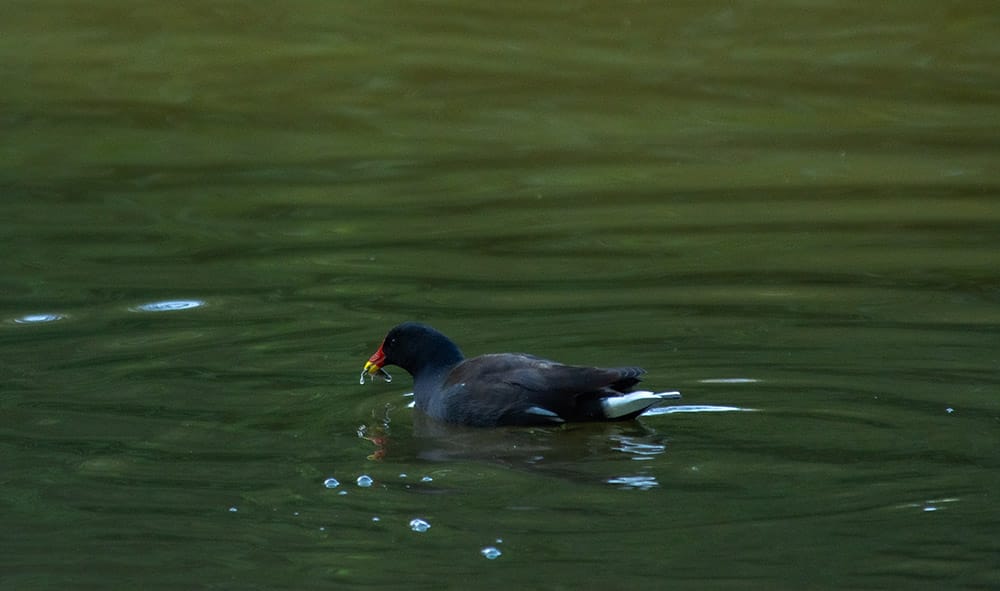
While the Moorhens (yes, there were now more of them wanting food) were still chasing the Little Grebes, the chase seemed slower and less aggressive. Performative in a way - the Moorhen still had to work for its food!
Other times, the Little Grebe does appear to be less willing to give up the food. The Grebe grabs the fish, swims around, dives under, swims again – evasive tactics to try to get away from the greedy Moorhen so that she could feed her actual children.
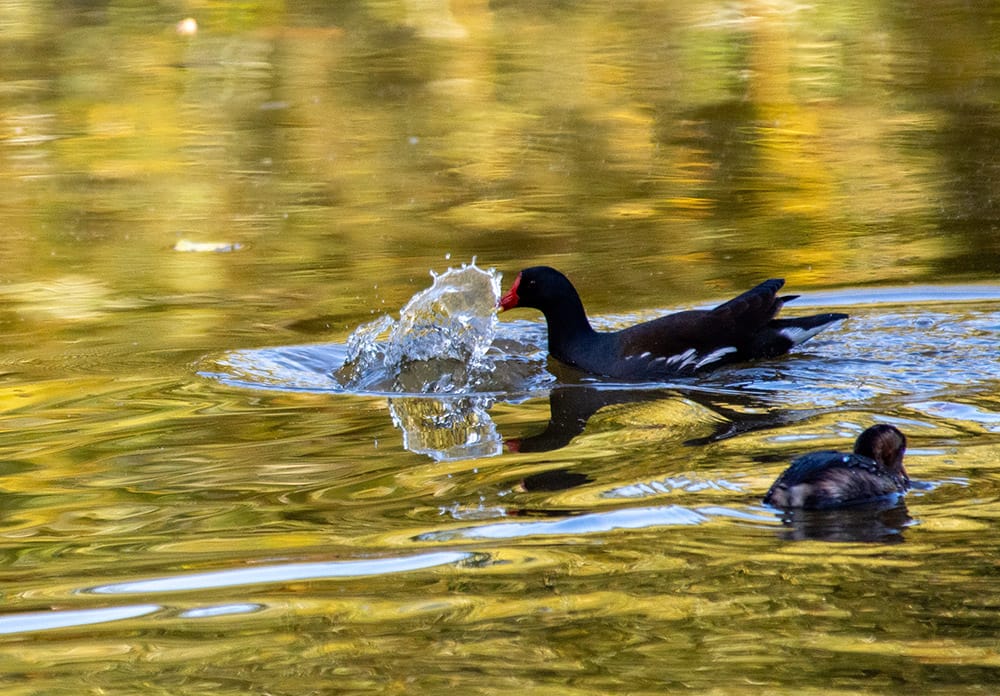
Now you’d think that the Moorhens would be satisfied with just harassing the parents for food. After all, they were getting some food from the exasperated (and exhausted?) parent Grebes. But nope, they chased the wee Grebelets too!
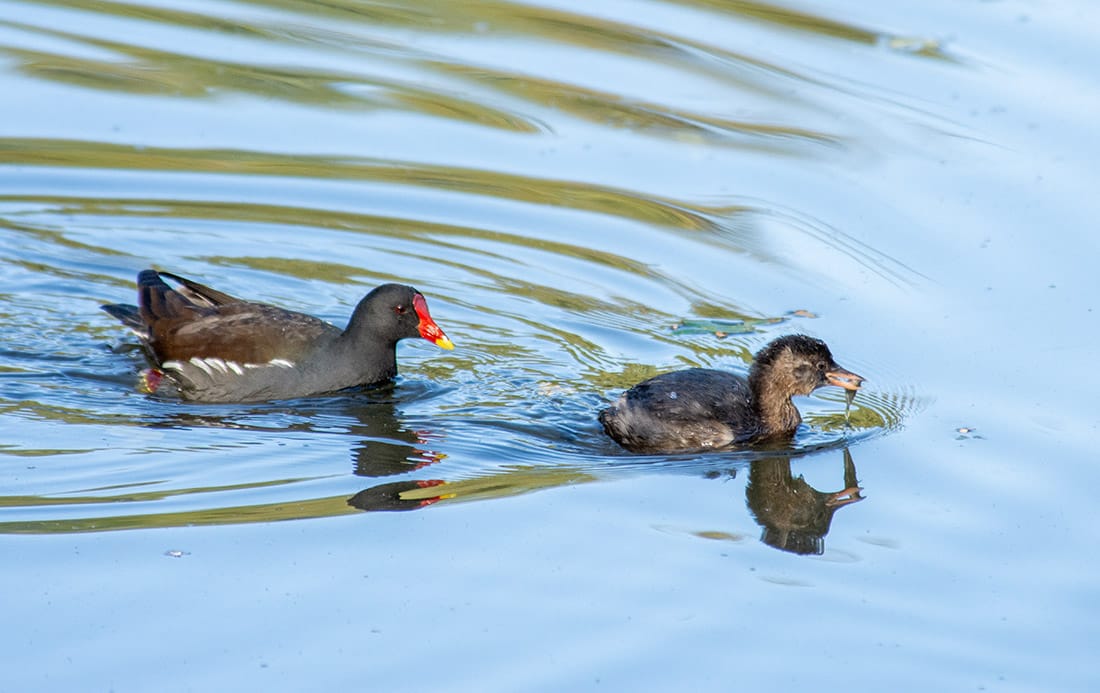
Fortunately, Little Grebes will keep on diving for food and the Moorhens finally had their fill. So the little Grebelets finally got to eat their lunch in peace. Then it was time for a rest before the whole feeding cycle began again.
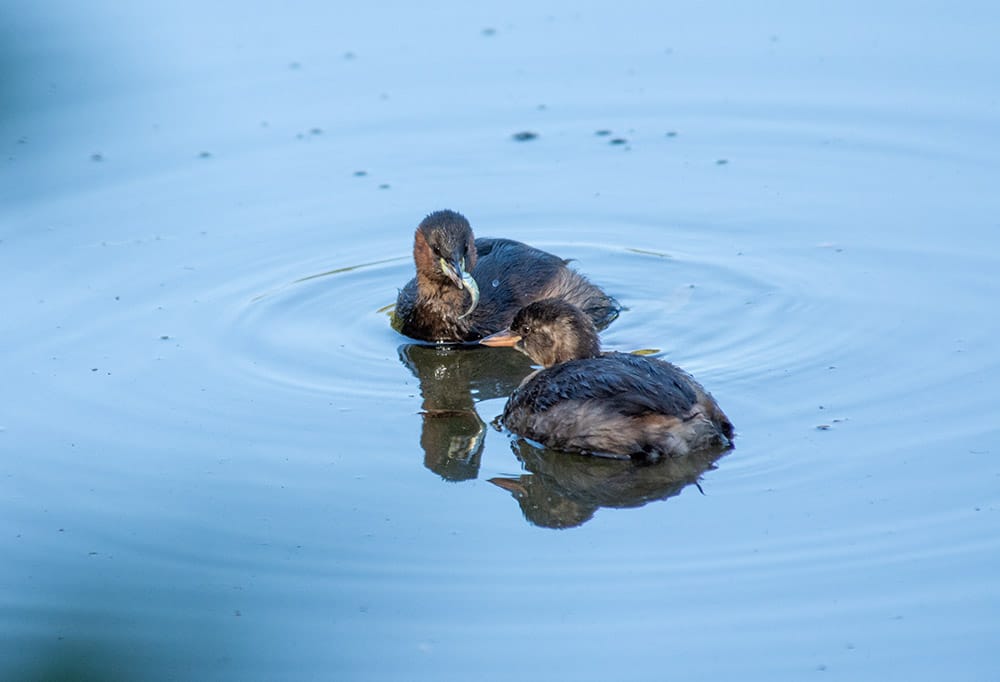
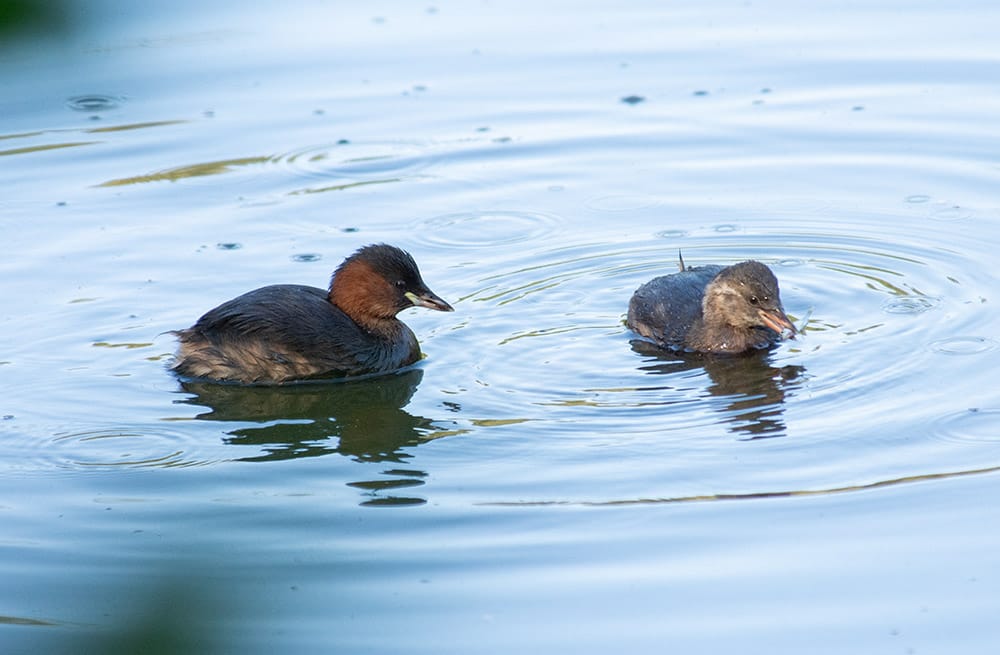
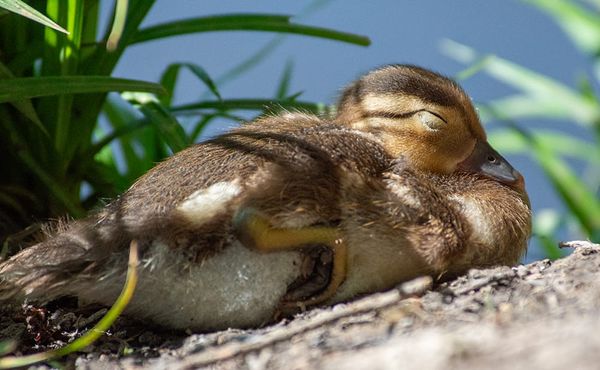
Mind you, this guy and his siblings are able to dive and even catch the odd bit of food. But, like the Moorhens, they'd rather be served fish.
The thing is, I am not sure how much the Little Grebes actually mind feeding the greedy Moorhens. Even though they are about half the size of Moorhens, they are rather scrappy wee birds and certainly are capable of taking care of themselves when needed.
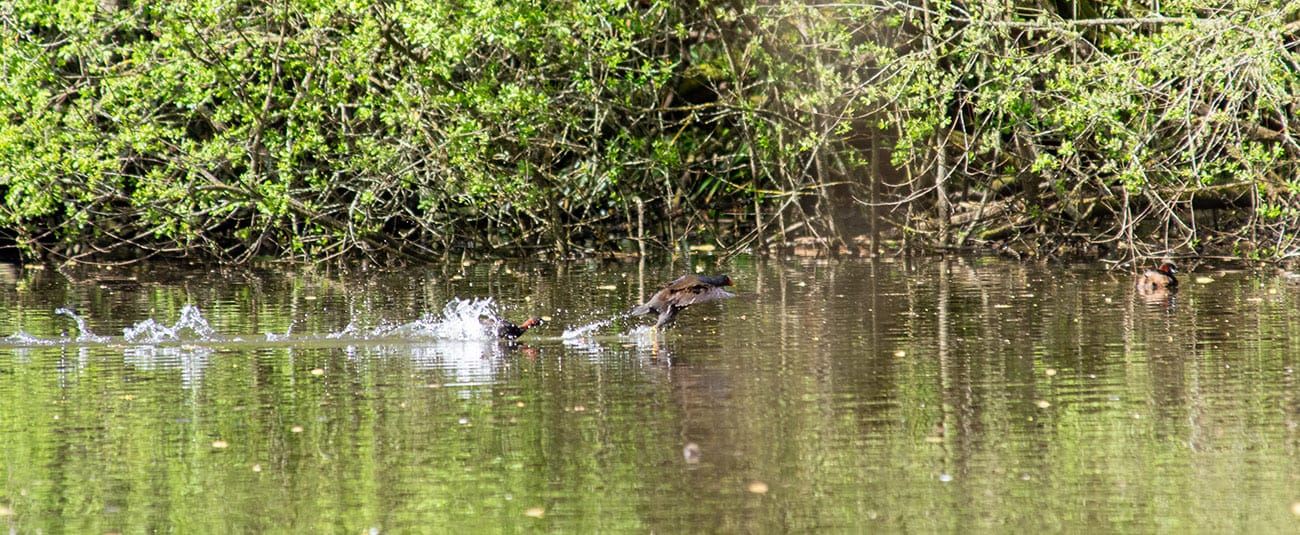
Both of these birds are considered to be shy – ones that will flee easily and are not as readily as seen like say the Coots or Mallards. And yet the Lake Grebes and Moorhens don’t seem that reserved at all. Rather, they are both exhibiting a level of cleverness, tenacity, splashiness and cooperation that is surprising and really cool to observe, and perhaps we as humans could learn from them.
Dedicated to my mum, Eggie, who always enjoyed walking in her local reserve